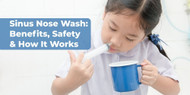
A sinus nose wash is a gentle way to rinse the nose using saline (salt water). Many people use it to help clear mucus, dust, pollen, and other irritants from the nasal passages.
This guide explains what a sinus nose wash is, when it may help, and how to use it safely for adults and children. The information below is based on guidance from Australian health authorities and medical organisations.
What Is a Sinus Nose Wash?
A sinus nose wash (also called a nasal rinse or saline flush) uses a salt-water solution to clean the inside of the nose. The saline flows through one nostril and out the other, helping wash away mucus and particles.
 |
 |
 |
According to Australian hospital and health guidance, saline rinses are non-medicated and do not contain drugs. They are used as a supportive hygiene step for the nose, similar to washing hands for skin hygiene.
How Does Sinus Nose Wash Work?

When you pour saline into one nostril, it flows through the nasal passages and out the other. This can:
- Wash away mucus
- Remove irritants and allergens
- Keep nasal tissues moist
Most rinses use a neti pot, squeeze bottle, or spray to deliver the saline.
Are Nasal Rinses Good for Your Sinuses?
Yes — many studies show nasal rinses can help clear mucus and improve comfort in common sinus problems.
According to guidance published by Australian ENT (ear, nose and throat) specialists, saline rinses may help reduce nasal congestion and irritation by clearing thick mucus and allergens.
It is important to note:
- A sinus nose wash does not cure infections
- It does not replace medicines prescribed by a doctor
- It is often used alongside other treatments
When Should You Use a Sinus Nose Wash?
You may consider a sinus wash when you have:
- Stuffy or blocked nose
- Thick mucus in the nose
- Allergies causing sinus discomfort
- Runny nose
If symptoms are severe or last more than 7–10 days, see a healthcare provider.
Types of Sinus Nose Wash Products
There are several types of sinus nose wash products available:
1. Squeeze Bottles
|
2. Neti Pots
|
3. Saline Sprays
|
4. Ready-Made vs Sachets
|


Australian health guidance stresses that clean, safe water must always be used.
Is Sinus Rinse Safe for Kids?
Many health providers say a saline rinse can be safe for children above age 3 to 4, when done with adult supervision.
Important safety points:
- Always use age-appropriate products
- Children should be supervised
- For young children, sprays are often preferred
- Bottles should not be shared
- Never force saline if a child resists
Always follow age guidelines on product packaging and ask a doctor if unsure.
Hospitals note that nasal saline may help loosen mucus in children with blocked noses, especially during colds.
How to Treat Sinusitis in Children
Sinusitis means the sinuses are inflamed and blocked. Sinusitis in children is usually managed step by step.
Treatment may include:
- Saline nasal rinse
- Rest and fluids
- Air humidifiers
- Pain relief if advised by a doctor
Children with high fever, severe pain, or symptoms lasting more than 10 days should see a health professional.
A sinus nose wash may be used as supportive care, not as a cure.
Can I Use a Saline Flush While Pregnant?
Yes — saline nasal irrigation is generally considered safe during pregnancy when done correctly. Because the rinse is just salt water, it does not contain medicine.
Pregnant women should:
- Use the correct saline mix
- Avoid adding medicines without doctor advice
- Keep the device clean
- Use clean, sterile, or boiled-then-cooled water
- Stop use if discomfort occurs
Speak to a healthcare professional if unsure. Before starting any new treatment during pregnancy, ask your healthcare provider first.
How Often Should You Do a Sinus Nose Wash?
Most Australian ENT guidance suggests:
- Once daily for general care
- Up to twice daily during flare-ups
- Reduce use if irritation occurs
Over-use may cause dryness, so balance is important.
How to Use a Sinus Nose Wash Safely
Basic safety steps recommended by hospitals:
- Wash hands before starting
- Use sterile, distilled, or boiled-then-cooled water
- Use the correct salt mix
- Clean and air-dry the bottle after use
- Do not share your rinse device
People Also Ask
Is sinus nose wash the same as a nasal spray?
No. A sinus nose wash flushes the nasal passages, while sprays lightly coat the inside of the nose.
Can I use tap water?
Australian health authorities advise not to use plain tap water unless it has been boiled and cooled.
Can sinus rinses prevent sinus infections?
There is no strong evidence they prevent infections. They are used for comfort and nasal hygiene.
Where to Buy Sinus Nose Wash Products in Australia
You can find a wide range of sinus nose wash products, saline sprays, and nasal care solutions at MedCart Australia.
MedCart offers:
- Trusted healthcare brands
- Products suitable for adults and children
- Convenient online ordering
- Australia-wide delivery
Discussion & Community Notes
Australian health forums and hospital patient education pages often highlight that people experience different comfort levels with sinus rinses. What works well for one person may feel uncomfortable for another. Starting slowly and following instructions is commonly advised.
References & Sources
- Australian Society of Otolaryngology Head and Neck Surgery (ASOHNS) – Patient information on nasal saline rinses
- NSW Health – Sinusitis and nasal care fact sheets
- Royal Children’s Hospital Melbourne – Nasal congestion and sinus care guidance
- Pregnancy Birth and Baby (Australian Government) – Medicines and treatments during pregnancy
- Australian Department of Health – Respiratory health resources
This article is for general information only and does not replace medical advice. Always consult a healthcare professional for diagnosis or treatment.