
A gentle, warming companion for kids, including autistic children and NDIS families
 |
 |
 |
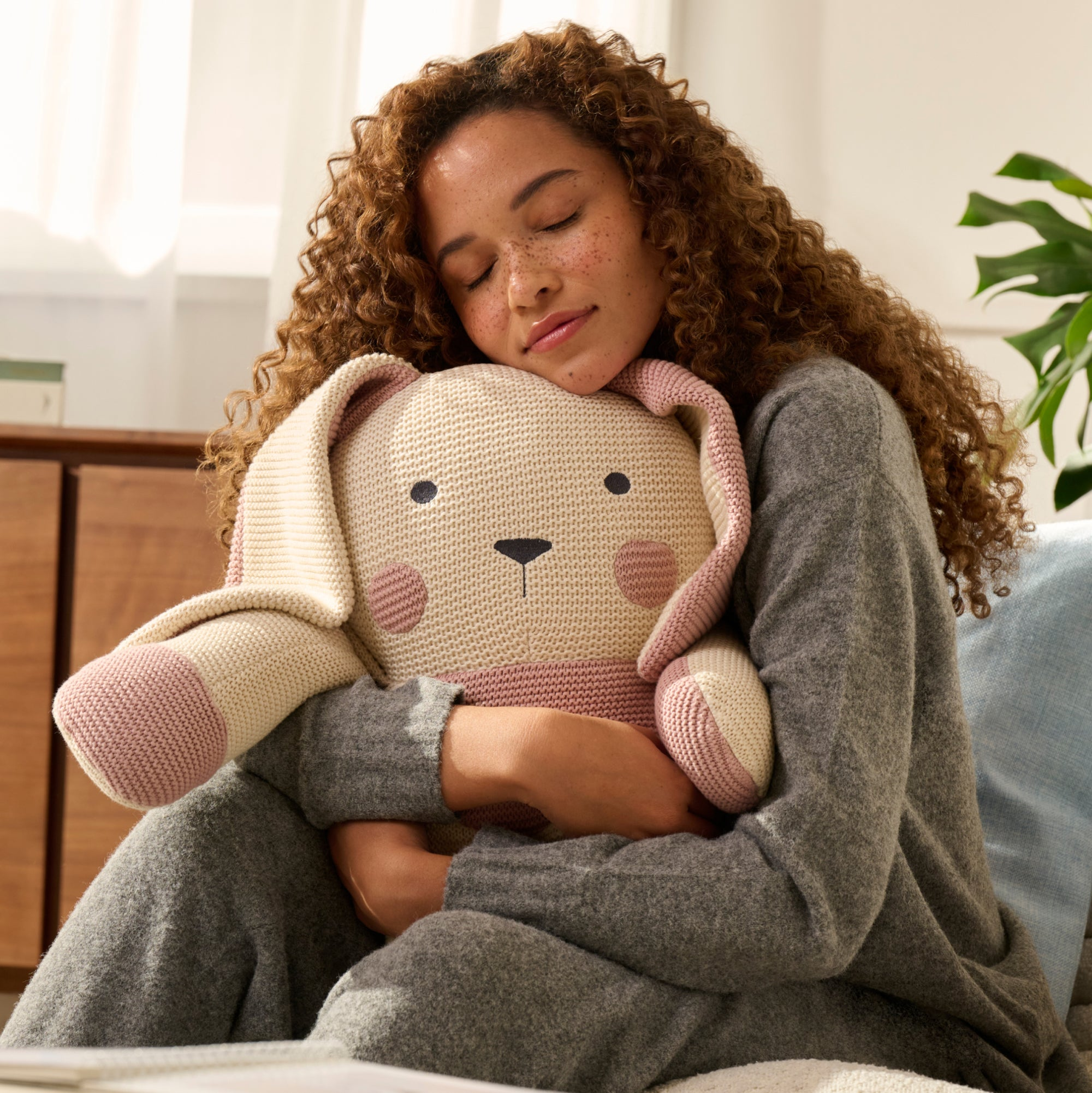
Many children need extra comfort. This may happen during illness, stress, sensory overload, or bedtime. Some children with autism or sensory needs may also look for soothing pressure, warmth, or familiar scents.
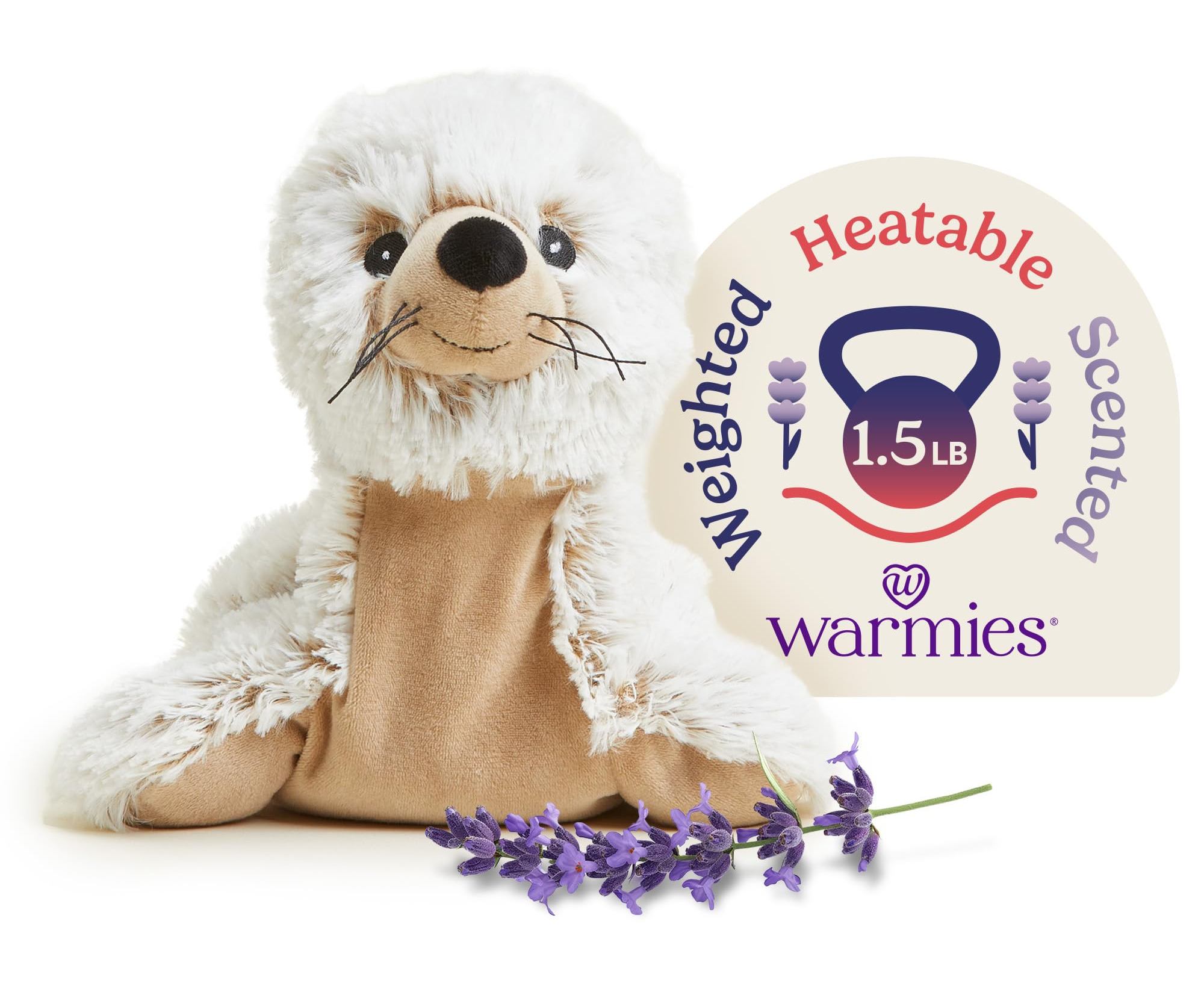
Products designed for comfort can help support calm routines. One example is Warmies®, a microwave-heatable plush toy that provides gentle warmth, light weight, and a relaxing lavender scent.
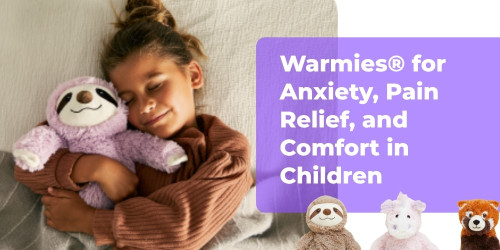
This article explains how ★Warmies for Anxiety, Pain relief, Comfort in Children (NDIS, Autistic and Children)★ may support everyday comfort for kids. It also explains how they work, when families use them, and important safety information.
What Are Warmies®?
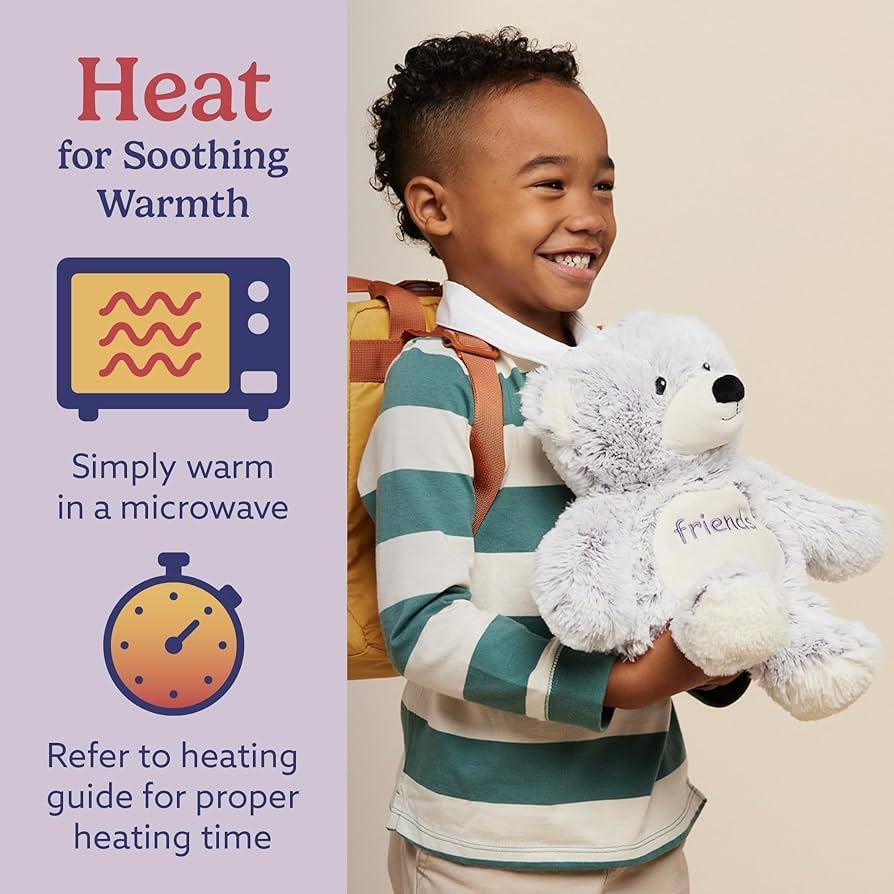
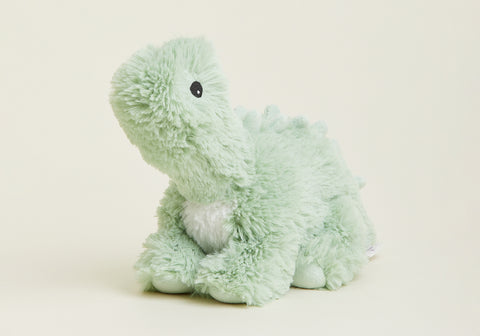
Warmies® are microwaveable soft toys designed to provide gentle warmth and comfort.
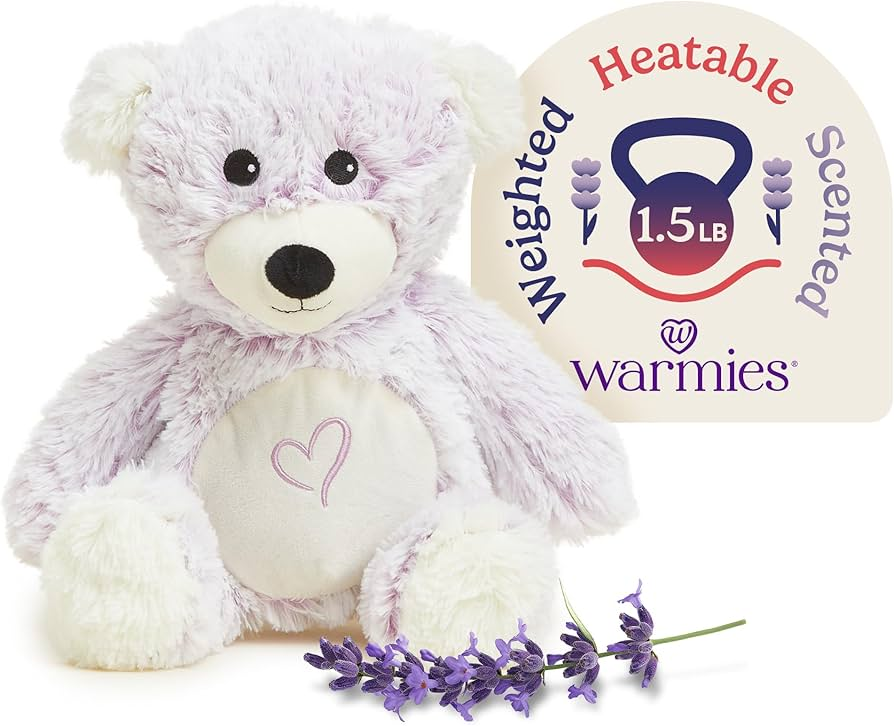
They are plush toys filled with natural materials and dried lavender. When heated in a microwave, they produce soothing warmth that can last for around two hours.
Key features include:
- Fully microwaveable plush toy
- Lightly weighted for comfort
- Gently scented with French lavender
- Reusable and reheatable
- Can also be cooled in a freezer
Warmies® are designed to be soft, cuddly, and easy for children to hold.
They are commonly used during:
- Bedtime routines
- Quiet time
- When children feel anxious or unsettled
- When warmth helps soothe minor aches
Why Warmth Can Help Children Feel Calm
Warmth has long been used for comfort and relaxation.
According to the Australian Government Department of Health, warmth can help relax muscles and increase blood flow to an area, which may help relieve minor discomfort.
Studies in sensory care also suggest that warm pressure and comforting objects can help children feel safe and regulated. This is especially helpful for children with sensory processing needs.
Research published in the Journal of Autism and Developmental Disorders notes that weighted and calming sensory tools may help some autistic children regulate stress and anxiety during quiet activities.
Warmies combine several calming elements:
- Warmth
- Gentle weight
- Soft texture
- Lavender scent
Together, these features can create a soothing sensory experience.
Warmies for Anxiety
 |
 |
 |
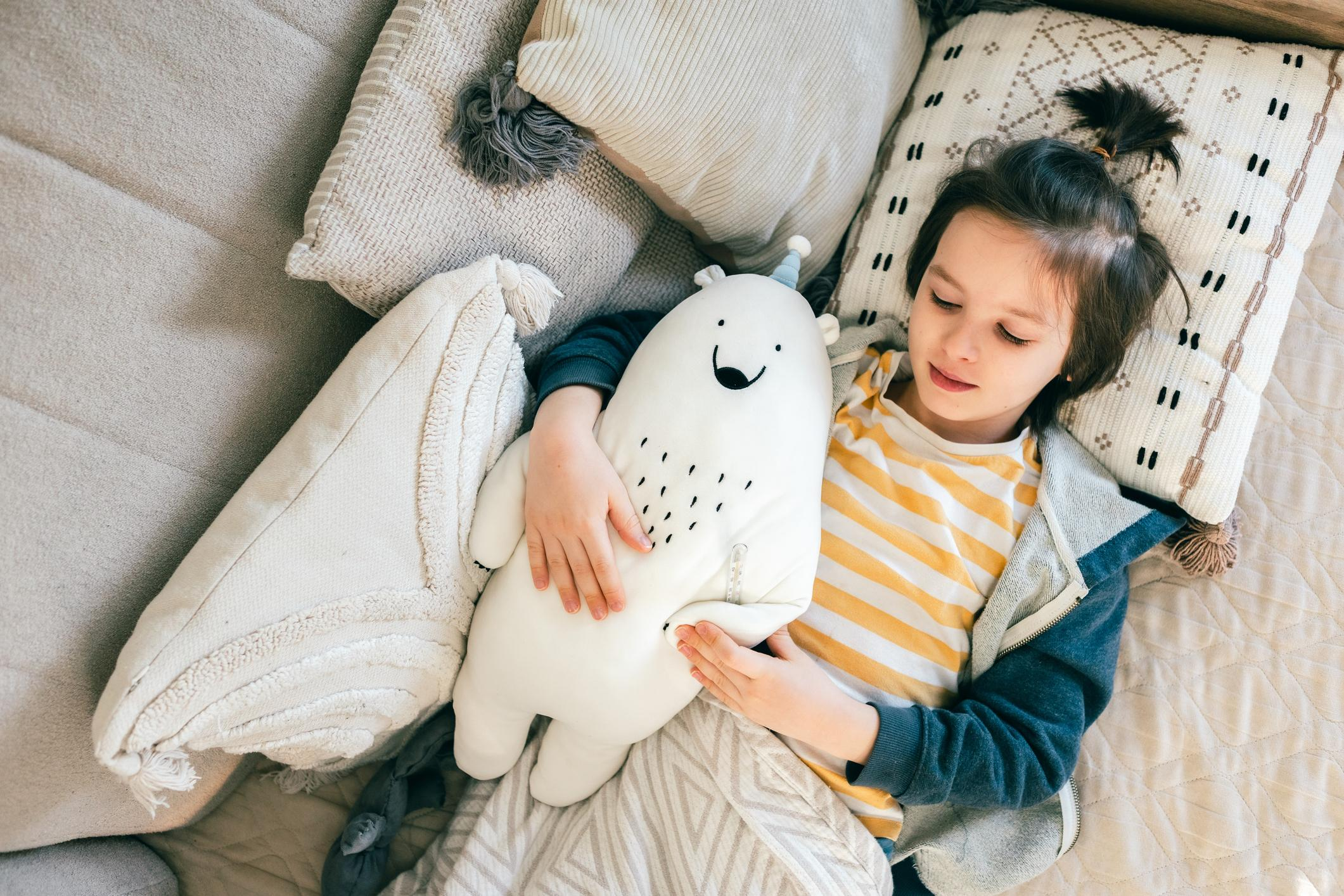
Children can feel anxious for many reasons. School stress, illness, separation, or sensory overload can cause worry.
Comfort objects are often used to support emotional regulation.
According to the Royal Children’s Hospital Melbourne, comfort objects such as toys or blankets can help children manage stress and feel secure during difficult moments.
Warmies may help support calm moments because they provide:
Warmth. Gentle warmth can feel soothing and relaxing.
Soft texture. Plush materials give a comforting tactile experience.
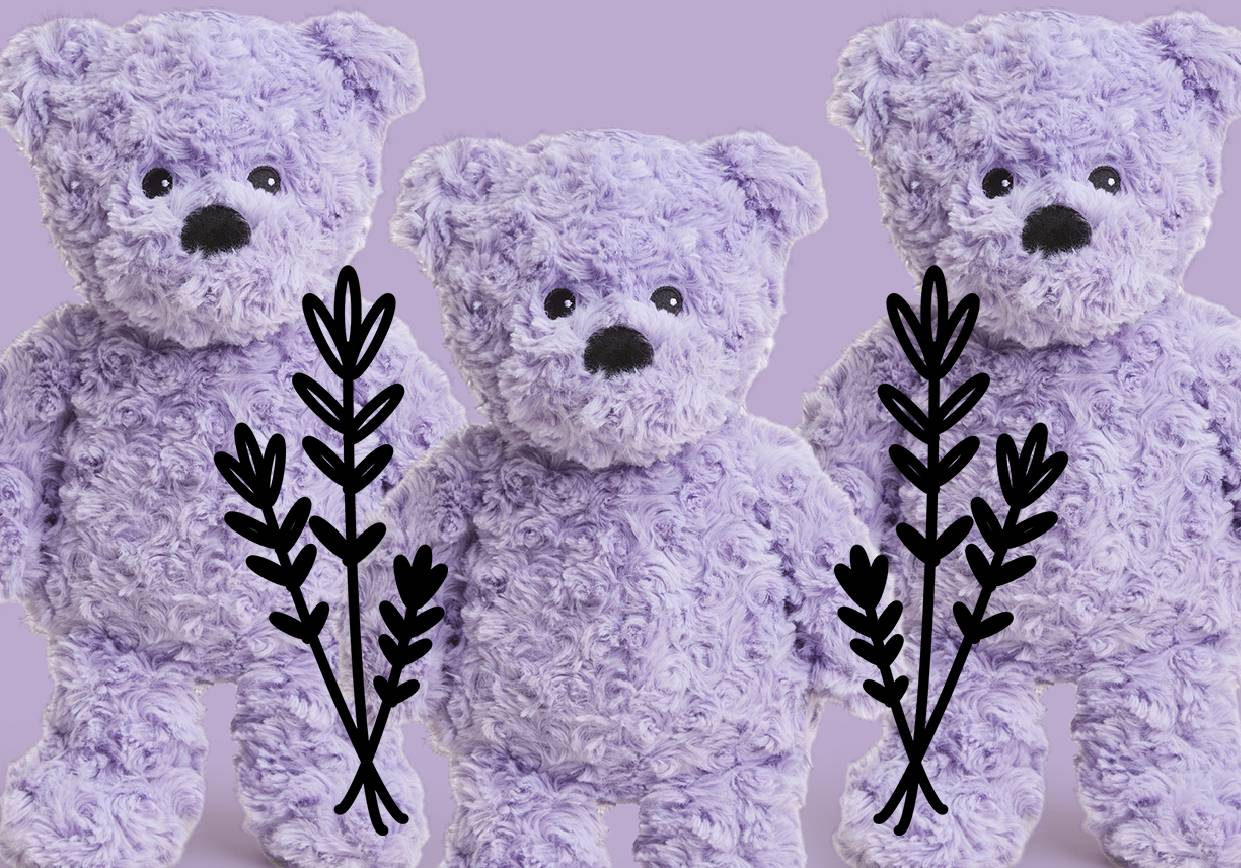
Lavender scent. Lavender has been widely studied for relaxation. Research reviewed by the National Institutes of Health (NIH) found lavender aroma may support relaxation and sleep in some settings.
Weighted feel. Light weight may help some children feel grounded and calm.
Warmies are often used during:
- bedtime routines
- reading time
- travel
- quiet sensory breaks
Warmies for Comfort in Children (NDIS, Autistic and Children)
 |
 |
 |
Children with autism may experience the world differently. Many autistic children have strong sensory preferences.
The Australian Autism CRC explains that sensory tools can support emotional regulation and help children feel calmer in overwhelming environments.
Warmies may support comfort for some children because they provide several sensory elements at once.
Possible benefits include:
Gentle weight. Weighted sensory items can help some children feel grounded.
Warm pressure. Warmth combined with pressure can feel calming.
Familiar comfort object. A plush toy can become a trusted companion.
For some families, comfort toys are included in sensory routines supported through NDIS therapy plans. Occupational therapists may recommend calming tools as part of daily regulation strategies.
Warmies may be used during:
- sensory breaks
- quiet play
- bedtime routines
- travel or transitions
Every child is different. Parents and therapists can help decide if sensory comfort products are helpful.
Warmies for Pain Relief
 |
 |
 |
Warm therapy is commonly used for minor aches.
According to Healthdirect Australia, heat packs can help relax muscles and improve circulation. This may help reduce discomfort from muscle tension or mild aches.
Warmies can act as a soft heat pack.
Parents sometimes use them for:
- mild muscle discomfort
- bedtime warmth
- stomach comfort during illness
- general relaxation
Warmies may also be cooled in the freezer for cooling relief. Cooling packs are often used for bruises or swelling.
Always follow heating instructions carefully and supervise young children.
How to Use Warmies®
Using Warmies is simple.
Heating Instructions
- Place Warmies in a microwave.
- Heat for 60 seconds in an 850–1000W microwave.
- Heat for up to 90 seconds in a 600–800W microwave.
- Ensure the microwave is clean and the turntable rotates freely.
Warmies can provide soothing warmth for up to two hours.
Allow the product to return to room temperature before reheating.
Cooling Use
Warmies can also be used as a cooling pack.
Steps:
- Place Warmies inside a sealed freezer bag.
- Put in the freezer for 2–3 hours.
- Use for cooling relief.
Cooling may help soothe:
- bruises
- sprains
- warm temperatures
Care and Safety Guide
Warmies are designed with safety standards in mind.
Certifications include:
- British Safety Standard BS 8433:2004
- European Toy Safety Standard EN71-1/2/3
- American Toy Safety Standard ASTM-F963
- NB Toys/2016/060
These standards relate to toy safety testing and materials.
Care instructions:
- Surface clean with a lightly damp cloth
- Allow to dry at room temperature
- Do not immerse in water
- Do not machine wash
The filling contains organic materials and dried French lavender.
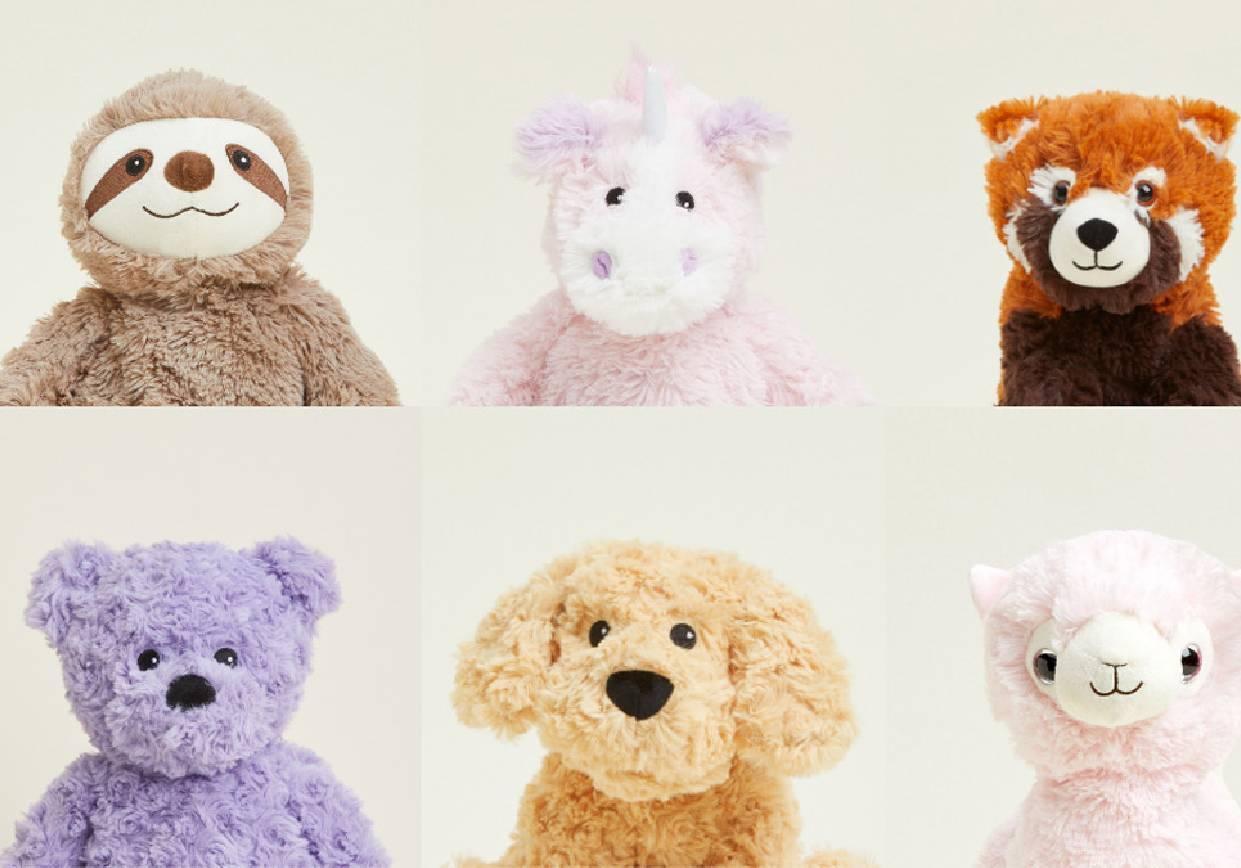
Popular Warmies® Products
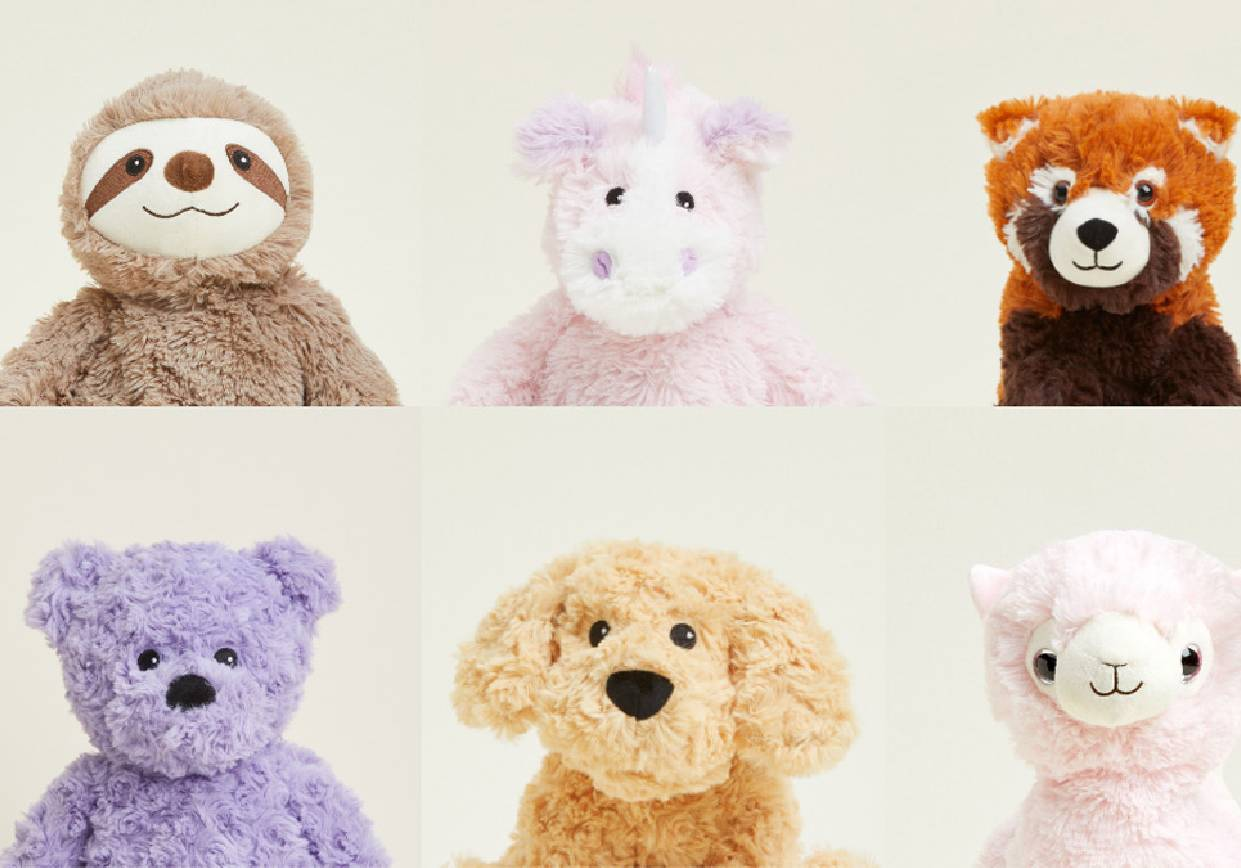
Many families choose different styles of Warmies. Popular designs include:
- Warmies teddy bears
- Warmies animals
- Warmies plush comfort toys
These designs are soft, friendly, and suitable for children and adults.
People Also Ask
Are Warmies safe for children?
Warmies are designed to meet multiple international toy safety standards. Always follow heating instructions and supervise younger children.
Can Warmies help children sleep?
Some children find warmth, scent, and soft textures relaxing before bedtime. Lavender scent has been studied for relaxation in sleep environments.
Are Warmies good for autistic children?
Some autistic children benefit from sensory comfort tools such as weighted or soft items. Families should consult therapists to find what works best for their child.
How long do Warmies stay warm?
Warmies usually stay warm for around two hours after heating.
Video: How Warmies Work
For many families, it helps to see how Warmies are heated and used.
A simple demonstration video can show:
- how to microwave Warmies
- how long they stay warm
- how children cuddle or hold them
These videos help parents understand how the product works in real life.
Related Searches
People searching for Warmies often also look for:
- microwave heatable stuffed toy
- weighted plush toys for kids
- sensory comfort toys for autism
- lavender heat packs for children
- warming plush toy for bedtime
- microwave heat pack stuffed animal
Where to Buy Warmies®
Warmies are available online through MedCart Australia, a trusted marketplace for medical, pharmacy, wellness, and everyday health products.
MedCart connects customers with a wide range of health and lifestyle products from trusted sellers.
Where to Buy:
MedCart Australia
Search Warmies here:
https://medcart.com.au/shop/?search_query=warmies
References
Australian Government Department of Health – Heat Therapy Information
Healthdirect Australia – Heat Packs and Muscle Pain Guidance
Royal Children’s Hospital Melbourne – Comfort Objects and Child Anxiety Support
Autism CRC Australia – Sensory Processing and Autism Resources
National Institutes of Health (NIH) – Lavender Aromatherapy Research
Journal of Autism and Developmental Disorders – Sensory Tools and Regulation Research