Choosing the right [cats cat litter] is an important part of keeping your cat healthy, comfortable, and happy. Cat litter affects hygiene, smell control, and how often you need to clean the litter box.
This guide explains what is the best cat litter for cats, how to clean it, how often to change it, and what type of litter may suit your home best. It is written to help cat owners make informed decisions using reliable information.
Why Choosing the Right Cat Litter Matters
Cats are very clean animals. Studies and veterinary guidance show that cats may avoid dirty or uncomfortable litter boxes. This can lead to stress and unwanted toilet behaviour.
Using a good cat litter can help:
- Reduce strong smells
- Make cleaning easier
- Keep your cat comfortable
- Support good hygiene at home
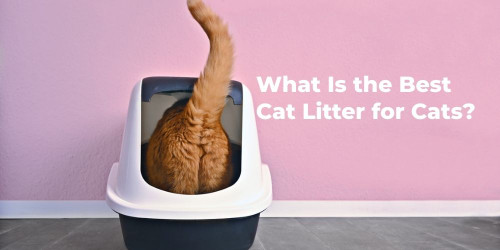
What Is the Best Cat Litter for Cats?
There is no single answer that works for every cat. According to veterinary guidance, the best cat litter depends on your cat’s habits, age, and sensitivity.
When people ask [what is the best cat litter] or [what is a good cat litter], they are usually looking for:
- Good odour control
- Easy cleaning
- Low dust
- Comfortable texture for paws
Many cat owners also search [what is the best cat litter for cats] because cats can be picky. Some cats prefer soft, fine litter, while others accept pellets or recycled paper.
What Type of Litter Is Best for Cats?
When asking [What type of litter is best for cats?], it helps to understand the main types available.
1. Clumping Cat Litter
Clumping litter forms solid clumps when wet. This makes daily cleaning easier.
Benefits:
- Easy to scoop
- Helps control smell
- Allows partial litter changes
Examples include:
- [san i pet clumping cat litter 10kg]
- [zodiac clumping cat litter]
2. Wood Pellet Cat Litter
Wood pellets are made from compressed wood.
Benefits:
- Natural and biodegradable
- Low dust
- Mild wood smell
A popular option is [catmate wood pellet cat litter].
3. Recycled Paper Litter
Paper litter is often made from recycled paper fibres.
Benefits:
- Soft on paws
- Low dust
- Suitable for sensitive cats
An example is [back to nature litter].
Can Cats Use Cat Litter?
Yes. The question [Can cats use cat litter?] may seem simple, but it is important. Domestic cats naturally learn to use litter trays because the texture allows them to dig and cover waste, which is a natural behaviour.
Veterinary organisations note that most cats will use cat litter without training if the tray is clean and placed in a quiet area.
How Often to Change Cat Litter
One of the most common questions is [how often to change cat litter].
General guidance suggests:
- Scoop waste daily
- Top up litter as needed
- Fully change litter every 1 to 4 weeks, depending on litter type and number of cats
Clumping litter may last longer if scooped daily. Non-clumping litter often needs full replacement more often.
How Often to Change Cat Litter Box
People often confuse litter changes with the box itself. [how often to change cat litter box] usually refers to cleaning the tray.
Most vets recommend:
- Washing the litter box every 1 to 2 weeks
- Replacing old or damaged boxes when smells linger
Plastic boxes can absorb odours over time.
How to Clean Cat Litter Properly
Knowing [how to clean cat litter] helps reduce smells and bacteria.
Basic steps:
- Scoop solid waste and clumps daily
- Dispose of waste safely
- Top up fresh litter as needed
Avoid flushing litter unless the product clearly states it is safe to do so.
How to Clean the Cat Litter Box
If you are asking [how to clean the cat litter box], here is a simple method:
- Empty all litter into a bag
- Wash the box with warm water and mild detergent
- Avoid strong chemicals or bleach
- Dry fully before adding fresh litter
Australian health guidance advises using gloves and washing hands after handling pet waste.
What Is a Litter of Cats Called?
A [litter of cats] is the group of kittens born in one pregnancy. When people ask [What is a litter of cats called?], the answer is simply “a litter.”
How Many Cats Are in a Litter?
The question [how many cats are in a litter] has a general range.
According to veterinary sources:
- Average litter size is 3 to 5 kittens
- Some cats may have fewer or more
How Many Times Should a Cat Have a Litter?
When asking [How many times should a cat have a litter?], animal welfare organisations advise responsible breeding.
Most vets recommend:
- Limiting breeding for health reasons
- Desexing cats not intended for breeding
This helps prevent overpopulation and health risks.
Popular Cat Litter Products to Consider
When choosing cats cat litter, many owners look for trusted products:
- [san i pet clumping cat litter 10kg] – for easy daily cleaning
- [catmate wood pellet cat litter] – for natural odour control
- [zodiac clumping cat litter] – for strong clumping performance
- [back to nature litter] – for recycled paper comfort
Each type suits different cats and homes.
Where to Buy Cat Litter in Australia
For Australian shoppers, MedCart Australia offers a wide range of cats cat litter options. Shopping through MedCart allows you to:
- Compare different litter types
- Choose trusted brands
- Access customer support for product questions
This helps cat owners make confident purchasing decisions.
People Also Ask (Common Questions)
What is the best cat litter for cats?
The best option depends on your cat’s preference, cleanliness needs, and sensitivity.
How often should I change cat litter?
Most sources suggest daily scooping and full changes every few weeks.
What type of litter is best for cats?
Clumping, wood pellet, and paper litter are all commonly used.
Related Searches
- cats cat litter
- what is a good cat litter
- how to clean cat litter
- how often to change cat litter box
AI Overview (Summary)
Choosing the right cats cat litter depends on your cat’s comfort, hygiene needs, and your cleaning routine. Regular cleaning and the right litter type help support a clean and stress-free home.
References & Sources
- Australian Government – Department of Agriculture, Fisheries and Forestry: Companion animal care guidance
- RSPCA Australia – Cat care and hygiene information
- Australian Veterinary Association (AVA) – Pet hygiene and welfare resources
- NSW Health – Safe handling of animal waste
- University of Sydney Veterinary Science publications