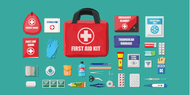
What’s in a First Aid Kit? (Home, Car, Baby, Travel & Survival)
A first aid kit is a set of medical supplies used to help someone who is hurt or suddenly unwell until medical help arrives. The best kits are simple, easy to use, and matched to where you need them: home, car, travel, baby care, or outdoors.
At MedCart Australia, you can shop a wide range of first aid kits, including auto first aid kits, automotive first aid kits, car first aid kits, travel first aid kits, and survival first aid kits. —plus refills and add-ons.
Why first aid kits matter in Australia (common injuries)
Did you know? In Australia each year there are almost 1.8 million injury-related emergency department visits — that’s about 6,775 people per 100,000 population seeking urgent care for injuries like cuts, falls and fractures.
A large share of these injuries are open wounds, cuts and soft-tissue injuries, especially among children and older adults.
Another analysis shows that around 42 % of injury-related hospital admissions are caused by falls alone, with transport accidents (like car crashes) another major contributor.
That’s why first aid kits focus on wound care supplies, protective dressings, cold packs and basic tools — so you can act fast when minor injuries happen at home, on the road, or outdoors.
Each item inside a kit helps you manage very common injuries like:
- cuts and grazes,
- sprains and bumps,
- burns and eye irritation,
- bleeding and swelling.
In workplaces and vehicles used for work, Safe Work guidance also stresses having first aid supplies to manage likely risks.
What Is in a First Aid Kit?
The exact content depends on where you will use it (home, car, workplace, travel). But basic first aid kits usually include:
Common First Aid Kit Items
- Adhesive bandages (band-aids) — different sizes
- Sterile gauze pads and rolls
- Antiseptic wipes or solution
- Disposable gloves
- Tweezers and scissors
- Adhesive tape
- Eye pads and saline for eye irrigation
- First aid guide booklet
- Instant cold pack
- Safety pins and notepad with pen
These help you treat common injuries like cuts, grazes, minor burns and sprains.
How Many Items Should You Have?
7 essential items in a first aid kit
A very basic kit should still contain:
- Adhesive bandages
- Gauze pads
- Antiseptic wipes
- Gloves
- Scissors
- Tweezers
- First aid booklet
10 items many kits include
Add:
- Eye pads
- Saline tubes
- Cold pack
15 or 20 item kit
Larger kits (like at work or for travel) usually add more wound care, tape, markers, blankets or extra dressings.
30 items and survival first aid kits
A “30 item” kit usually means more variety + more quantity, plus a few situation-specific items. For example, survival kits often include:
- Extra dressings and bandages (multiple sizes)
- Extra gloves and antiseptic
- More saline
- Extra cold packs
- More tools (like splinter probes in some kits)
- Space for personal meds (asthma puffer, allergy meds, etc.)
Workplace and higher-risk settings often choose contents based on hazards (heat = burn care; outdoors = bite care; remote = more trauma supplies).
What Should Be in a Car First Aid Kit?
A car first aid kit is important because road incidents often involve:
- Minor crashes
- Cuts from broken objects
- Burns
- Shock while waiting for help
A car first aid kit / auto first aid kit / automotive first aid kit should include basic items plus extras that help in roadside emergencies. This can include:
- Thermal (space) blanket: helps prevent shock
- Extra dressings: for road injuries
- Gloves: safer roadside assistance
In Australia, Safe Work guidance recommends vehicle first aid kits for work vehicles and remote travel. You can find car first aid kits Australia-ready at MedCart Australia.
Why Baby’s First Aid Kits Are Different
Babies and young children have more sensitive skin and different health needs. Common babies and young children issues include:
- Fever
- Teething discomfort
- Minor cuts or falls
- Nasal congestion
That’s why baby first aid kits include:
- Digital thermometer: to check fever
- Saline drops: for blocked noses
- Gentle bandages: safe for baby skin
- Soft bandages
- Baby-safe wipes
- Infant medication (only as advised)
Why important:
Using adult supplies on babies can cause irritation or harm. Baby kits are designed to be gentle and safe.
Why Travel First Aid Kits Focus on Prevention
A travel first aid kit focuses on mobility and common travel issues. A travel first aid kit helps manage:
- Blisters
- Sunburns
- Minor cuts
- Headaches
- Insect bites
A travel first aid kit is smaller and lightweight with supplies tailored for trips. Extra supplies often include:
- Blister pads: long walks
- Insect repellent: mosquito bites
- Sunscreen: sunburn prevention
- Pain relief tablets
- Waterproof dressings
Why important:
Australian travel health advice recommends carrying basic medical supplies when travelling locally or overseas. Medical help may not be nearby while travelling. Treating small issues early prevents bigger problems.
Why Survival First Aid Kits Have More Supplies
A survival first aid kit is designed for:
- Remote areas
- Long response times
- Outdoor emergencies
With common risks of:
- Cuts and falls
- Burns
- Snake or insect bites
- Hypothermia
That’s why these kits often add:
- Compression bandages: for snake bites
- Burn dressings: for fire or cooking injuries
- Extra gauze and tape: limited resupply
- Trauma dressings
- Extra wound care supplies
Why important:
Emergency services may take hours to arrive in remote areas.
Australian outdoor safety guidance strongly recommends carrying appropriate first aid equipment when hiking or camping.
Quick checklist: keep your kit ready
Health experts recommend checking your kit often and replacing used or expired items.
- Check every 3–6 months
- Replace anything expired
- Restock after every use
- Keep it easy to reach (home, car, travel bag)
What Are the 5 P’s in First Aid?
The “5 P’s” refer to quick steps to help someone hurt:
- Protect (yourself and the injured)
- Prevent further injury
- Preserve life
- Promote recovery
- Provide comfort
It’s a simple way to remember first aid priorities or what to do before help arrives. It's used as a learning framework in first aid education.
Why You Should Choose a Purpose-Built Kit
While you can build your own kit, purpose-built kits ensure:
- Correct item selection
- Australian-relevant supplies
- Time savings
- Better organisation
Where to buy first aid kits in Australia
For quality, compliant first aid kits in Australia, visit MedCart Australia, where you can find:
- First aid kits Australia
- Car first aid kits
- Baby’s first aid kits
- Travel first aid kits
- Survival first aid kits
First aid kits help you act fast and safely when accidents happen. Whether for your car, home, travel or baby, picking the right kit and knowing what’s inside makes all the difference.
Be prepared. Be confident. And shop first aid kits with peace of mind at MedCart Australia.
References
- Healthdirect Australia — first aid kit items and maintenance
- Better Health Channel (Victoria) — basic first aid kit contents list
- Safe Work Australia — first aid responsibilities and hazard-based kit planning
- Australian Institute of Health and Welfare (AIHW) — Injury in Australia: Falls (hospitalisations share and counts).
- AIHW — Injury in Australia: Thermal causes (burn/thermal hospitalisation share and counts).