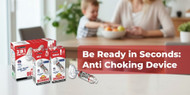
Choking is a scary emergency that can happen to anyone, anywhere. Whether it is a piece of hard candy or a small toy, a blocked airway is a serious matter. Traditionally, we rely on back blows and abdominal thrusts (the Heimlich maneuver). However, new technology like the anti choking device is changing how we look at first aid.
In this guide, we will look at how these tools work, if an anti choking device is safe, and why the Dechoker is becoming a household name in Australia.
What are Anti Choking Devices?
An anti choking device is a portable tool designed to help clear a person’s airway when they are choking. Most of these tools use suction. They are often called emergency airway clearance devices.
Instead of pushing on the chest or back, these devices are placed over the mouth and nose. When the handle is pulled, it creates a vacuum. According to many manufacturers, this suction is designed to pull the object out of the throat safely.
The History: Why Were They Invented?
The history of the anti choking device started with a need for a "plan B." While the Heimlich maneuver (abdominal thrusts) was a breakthrough in 1974, inventors noticed that it wasn't always effective for everyone.
The Dechoker and similar devices were invented to solve specific problems:
- The Need for Speed: In a choking emergency, you only have a few minutes before brain damage can occur.
- Physical Limitations: Inventors wanted a tool that a small person could use to save a much larger person.
- Failure of Manual Methods: Studies show that traditional methods can fail up to 30% of the time, especially if the person is unconscious or has a total blockage.
The Dechoker and similar suction tools were created to provide an alternative. The goal was to make a device that almost anyone could use, even if they didn’t have the physical strength to perform a manual rescue.
Who Can Use an Anti Choking Device?
One of the best things about an anti choking device is its ease of use. It can be used by:
- Parents and Caregivers: For peace of mind at home.
- Elderly Individuals: Who may not have the strength to help someone else manually.
- People with Disabilities: Who might find traditional methods hard to do.
- Teachers and Childcare Workers: As an extra layer of safety in schools.
When to Use It and Who Can It Be Used On?
You should use an anti choking device when a person is choking and cannot breathe, cough, or speak. It is meant for use after you have called emergency services.
Important: Always follow the ANZCOR (Australian and New Zealand Committee on Resuscitation) guidelines first.
- Encourage Coughing: If they can cough, let them try to clear it themselves.
- Back Blows: Give up to 5 sharp blows between the shoulder blades.
- Chest/Abdominal Thrusts: Give up to 5 thrusts.
- Anti Choking Device: Use the dechoker if the manual methods fail and the person is still choking.
Anti Choking Devices vs. Back Blows and Abdominal Thrusts
Healthcare groups like the Australian and New Zealand Committee on Resuscitation (ANZCOR) usually recommend back blows and chest/abdominal thrusts as the first step.
Why might manual thrusts fail?
- Physical Size: It is hard to perform the Heimlich on a very large person or someone in a wheelchair.
- Pregnancy: Traditional thrusts can be risky for pregnant women.
- Incorrect Technique: If the person helping is panicked, they might not push hard enough or in the right spot.
This is where an anti choking device australia users trust comes in as a "second line" of defense.
FDA and Protocols in Australia
The FDA (in the USA) and the TGA (in Australia) monitor these devices. In 2026, the FDA gave a "green light" for certain suction devices to be marketed as a second-line treatment after basic life support fails. In Australia, devices like the Dechoker are listed on the ARTG (Australian Register of Therapeutic Goods), meaning they meet strict safety standards for sale.
Are Anti Choking Suction Devices Effective and Safe?
A common question is: do anti choking suction devices work? Studies published in journals like the American Journal of Emergency Medicine have looked at suction-based airway tools. Studies show that these devices can successfully remove obstructions in simulated environments. While they are not meant to replace standard first aid, many people find them a valuable addition to a first aid kit.
Are anti choking devices safe? Most are designed with a "one-way" valve. This means they only pull air out; they don't push air (or the object) further down into the lungs.
Dechoker: Parts and How to Use
The Dechoker is a prominent brand in the anti-choking device market. Let's explore its components and usage. It has simple parts:
- Respiratory Mask: Fits over the nose and mouth.
- Tongue Depressor: A small tube that keeps the tongue down so it doesn't block the throat.
- Cylinder Body: The main chamber where the suction happens.
- Pull Handle: What you pull to create the vacuum.
The Dechoker is available in different sizes tailored for specific age groups. When considering an anti-choking device for children, selecting the correct size is paramount for safety and effectiveness.
- Dechoker Toddler (1-3 years)
- Dechoker Child (3-12 years)
- Dechoker Adult (12+ years)
How to Use the Dechoker
(Always refer to the manufacturer's specific instructions for the most up-to-date and accurate steps).
The general instructions for using a Dechoker are usually:
- Check the Mouth: If you can see the object and it’s loose, try to remove it with your fingers. Do not do a "blind finger sweep" as you could push the object further down.
- Apply the Mask: Place the mask firmly over the choking person's nose and mouth to create a tight seal.
- Pull the Handle: Pull the plunger or handle back with a quick, firm motion. This creates the suction that aims to pull the object out.
- Remove and Check: Take the mask off the person’s face and check to see if the object has been dislodged.
- Repeat (if necessary): If the object is not removed, you can re-apply and repeat the process. However, if the initial attempts fail, continue traditional first aid (back blows and abdominal thrusts) while waiting for emergency services to arrive. Remember to always call for emergency help (000 in Australia) as soon as you realize someone is choking.
When to use: Use the Dechoker only after you have unsuccessfully attempted back blows and abdominal thrusts, and the person is still choking. It is a secondary option.
What to Look for in a Product
When considering a product, you should:
- Ensure it's the correct size: Make sure you have the appropriate model for the people in your home or facility.
- Check expiration dates: The mask material may break down over time, so it's important to check if the device has an expiration date and replace it if needed.
- Single-Use: It's critical to know that these devices are typically single-use only. Once used, they must be discarded and replaced. You should never try to wash or reuse a device that has been used in a real emergency.
How to Maintain and Care for Your Device
To ensure your anti choking device is ready when you need it:
- Check the Seal: Periodically look at the mask to ensure the plastic hasn't become brittle.
- Keep it Clean: Store it in its original packaging to keep dust out of the valves.
- One-Time Use: Most manufacturers recommend replacing the device after it has been used in a real emergency to ensure the suction remains at 100% strength for the next time.
- Storage: Keep it in a visible spot in the kitchen, as most choking happens during meals.
Things to Know Before Buying an Anti-Choking Device
Adding an anti-choking device to your home safety toolkit requires careful consideration:
- Training: While designed for ease of use, you should still familiarize yourself with how to use it before an emergency. Review the manufacturer's instructions and training materials. Some models offer training devices.
- Accessibility: Store the device in an easily accessible location, just like you would a first-aid kit, and ensure everyone in the household knows where it is.
Cautions:
- Do not use on infants under 1 year old unless the manufacturer explicitly states it is designed for this age group (the standard Dechoker is not for infants). Follow specific infant choking first-aid protocols.
- Do not use as a primary response. Always prioritize coughing, back blows, and abdominal thrusts first.
- Ensure a correct size. Using an incorrectly sized device can be ineffective or cause injury.
- One-time Use (Generally): Many models are designed for a single emergency use to ensure hygiene and proper functioning. Check your specific device.
Where to Buy Anti-Choking Devices in Australia
For reliable access to authentic Dechoker products, visit MedCart Australia. We offer a range of options to suit different needs and household sizes, ensuring you can be prepared with this potential secondary safety tool.
Visit our dedicated Dechoker category to view all available products and secure this potentially life-saving device for your home.
People Also Ask (FAQ)
1. Do anti-choking devices actually work?
Do anti choking devices work? Yes, reports and some clinical studies indicate they can remove blockages using powerful suction. However, they should be used alongside official first aid training.
2. What is the FDA approved anti-choking device?
In the USA, the FDA regulates these as Class II medical devices. The Dechoker is registered with the FDA and is also listed on the Australian Register of Therapeutic Goods (ARTG).
3. What is the 3-3-2 rule for intubation?
This is a rule used by medical professionals (like anesthesiologists and paramedics) before they place a breathing tube (intubation). It is not a rule for first aid. It is a simple way for them to assess if someone will have a difficult-to-manage airway.
- 3: The ability to fit 3 fingers between the person's upper and lower front teeth.
- 3: A distance of 3 fingers between the tip of the chin and the neck's hyoid bone.
- 2: A distance of 2 fingers between the hyoid bone and the top of the thyroid cartilage (Adam’s apple).
4. Does bronchiectasis impair airway clearance?
Yes, according to health research, bronchiectasis makes it hard for the lungs to clear mucus, which can lead to infections.
5. What are the three accepted ways to clear an airway?
The three common ways are:
- Encouraging the person to cough.
- Back blows.
- Abdominal thrusts (Heimlich).
6. What exercise clears the lungs?
"Huff coughing" or deep breathing exercises are often used to help clear the lungs of mucus.
References
- Australian and New Zealand Committee on Resuscitation (ANZCOR) - Choking Guidelines.
- American Journal of Emergency Medicine - Studies on Suction Airway Clearance.
- Therapeutic Goods Administration (TGA) Australia.
- Aero Healthcare - Dechoker User Guide and Specifications (2025).
- FDA News - Medical Device Greenlight for Suction Airway Tools (March 2026).
- Aged Care Quality & Safety Commission - First Aid for Choking Risks (2025).
- The Sydney Children's Hospitals Network - Choking First Aid Factsheet.