
Flying is an exciting way to see the world. However, sitting in a small seat for a long time can make your legs feel tired and swollen. Many travelers now use flight support socks to help their legs feel better.
In this guide, we will explain everything you need to know about compression socks for flying and how they help your body.
What are Compression Socks or Flight Socks?
Flight support socks are special stockings that fit tightly around your legs. They are also known as compression socks for flying. Unlike regular socks, these are made of strong, stretchy fabric. They are designed to put gentle pressure on your ankles and calves.
According to Healthdirect Australia, these socks help keep blood moving back toward your heart. People often wear them on long trips to prevent discomfort.
What is Graduated Compression?
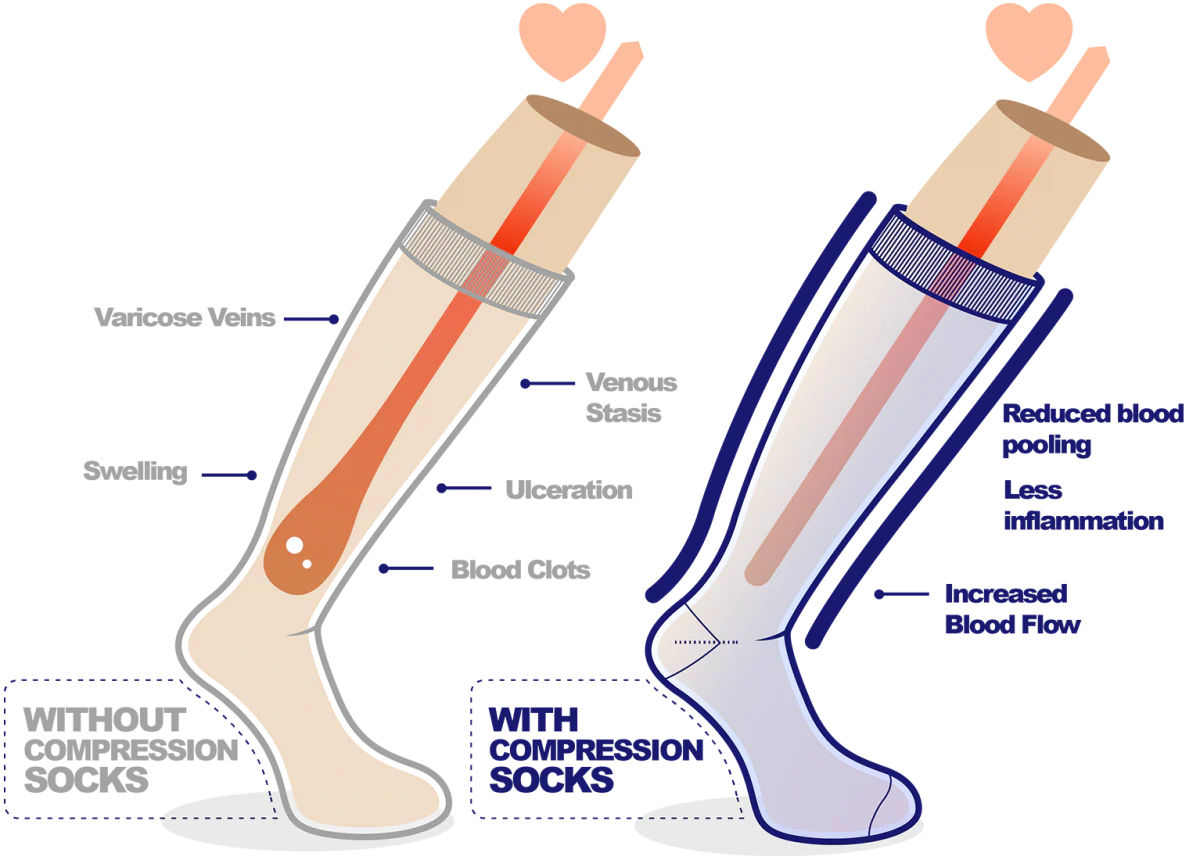
Most flight support socks use something called "graduated compression." This means the sock is tightest at the ankle. As the sock goes up your leg, the pressure gets a little bit looser.
This design helps fight gravity. Studies from the National Library of Medicine show that this pressure helps push blood upward. Without this pressure, blood can sometimes stay too long in your feet, which causes swelling.
How and Why Compression Helps the Body
Your heart works hard to pump blood to your toes. Then, your veins have to pump that blood all the way back up to your heart.
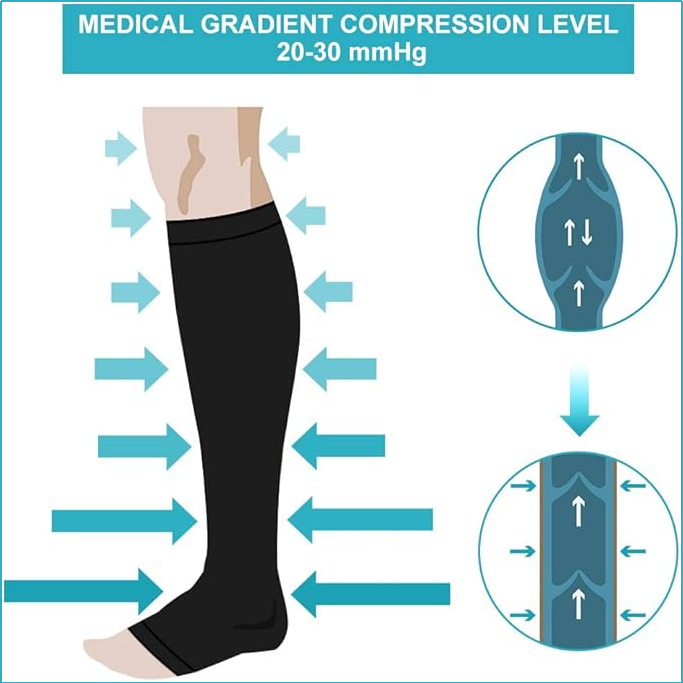
When you sit still for hours, your leg muscles are not moving. These muscles usually help "squeeze" the veins to move blood. Compression socks act like a second set of muscles. They squeeze the veins so the blood can flow easily. This helps reduce the heavy feeling in your legs.
Why People Wear Compression Socks During Flights
When you are on a plane, you are high in the air and the air pressure is different. You also cannot move around much. This can lead to a few problems:
- Swelling: Your feet and ankles might get bigger.
- Aches: Your legs might feel sore or stiff.
- Blood Clots: In serious cases, sitting too long can lead to Deep Vein Thrombosis (DVT).
The Victorian Government Better Health Channel states that wearing flight support socks is a common way to lower the risk of these issues during travel.
Flight Support Socks - How Does It Work?
Flight support socks work by narrowing the diameter of the veins in your legs. When the veins are narrower, the blood moves faster. It is like putting your thumb over the end of a garden hose to make the water spray further.
By keeping the blood moving, compression socks for flying help prevent fluid from leaking into your leg tissues. This is why your legs stay their normal size instead of swelling up.
Benefits of Wearing Flight Support Socks
There are many reasons to pack these in your carry-on bag:
- Better Circulation: Your blood flows better even when you are sitting.
- Reduced Swelling: You can fit back into your shoes easily after the flight.
- Less Fatigue: Your legs feel more energized when you land.
- Safety: They help reduce the chance of developing dangerous blood clots.
Who Should Wear Flight Support Socks?
Most people can benefit from wearing compression socks for flying. You should consider them if:
- You are on a flight longer than four hours.
- You have had leg surgery recently.
- You are pregnant.
- You have a history of circulation problems.
Note: If you have health issues, it is always a good idea to talk to a doctor before trying new medical garments.
Types of Flight Support Socks
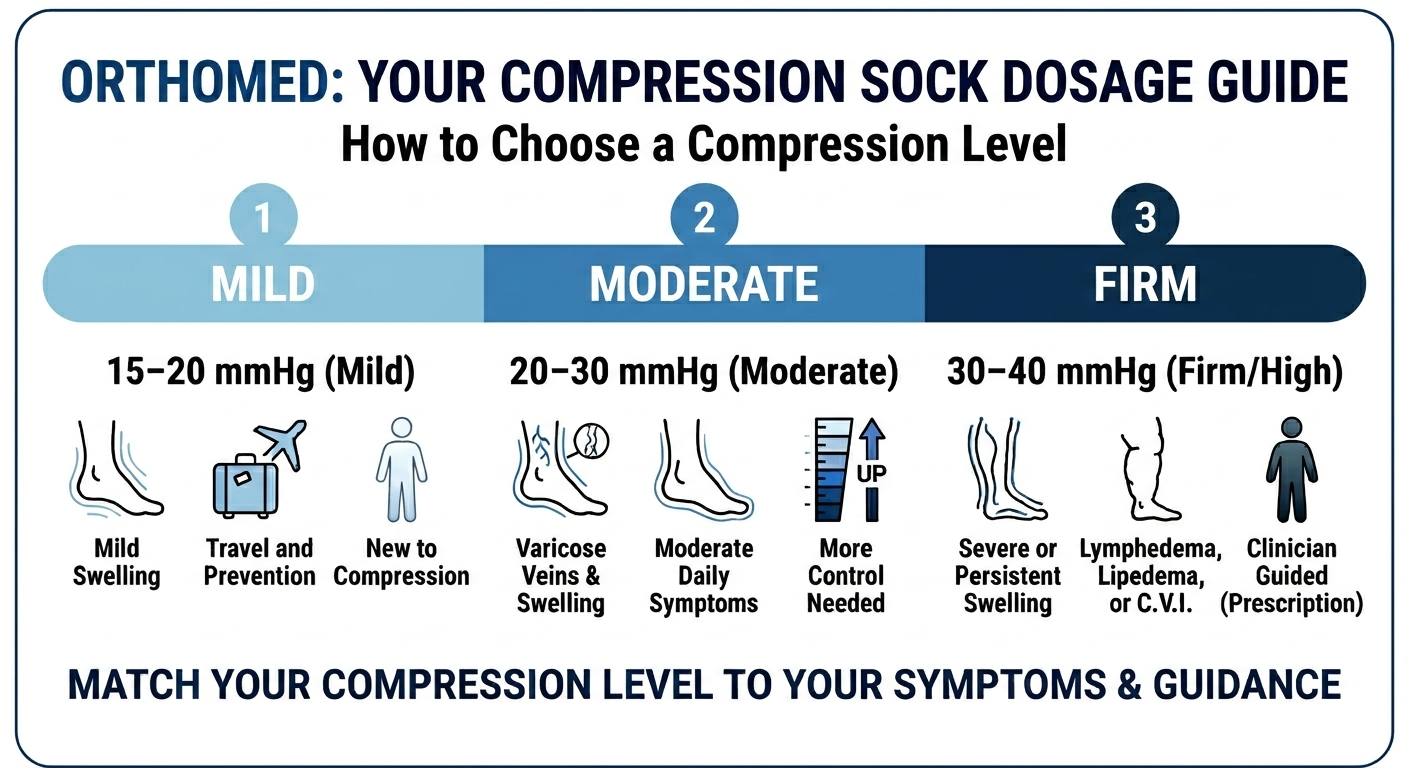
Not all socks are the same. They come in different pressure levels, measured in "mmHg."
- Mild Compression (10-20 mmHg): Great for healthy travelers who want to prevent tired legs.
- Medium Compression (20-30 mmHg): Often used for long-haul international flights.
- Firm Compression (30-40 mmHg+): Usually recommended by a doctor for specific medical needs.
People Also Ask (FAQ)
Do flight compression socks really work?
Yes. According to research from the Cochrane Library, there is strong evidence that wearing compression stockings reduces swelling and the risk of DVT during long flights.
What are the best socks to wear when flying?
The best socks are ones that fit you correctly. They should feel snug but not painful. A popular choice is the Travel Now Compression Flight Socks which provide 10-13 mmHg of support.
Should you wear compression socks if you have gout?
If you have gout, you should ask your doctor first. Gout causes pain and inflammation in joints. Sometimes the pressure from a sock might be uncomfortable during a gout "flare-up."
Can compression socks prevent lipedema?
Compression socks cannot "prevent" someone from getting lipedema, as that is a long-term condition. However, according to SA Health (Government of South Australia), compression is often used to manage the symptoms and pain of lipedema.
Video: How Flight Support Socks Work
A simple demonstration video can help travelers understand how compression socks improve circulation during flights and long trips.
These videos often explain:
- how graduated compression works
- how to properly wear compression socks
- how flight socks help reduce swelling
- why circulation support matters during long flights
Related Searches
- best compression socks for flying
- flight socks for long haul travel
- compression socks for swollen legs
- travel socks for circulation support
- DVT prevention socks Australia
Where to Buy: MedCart Australia
If you are preparing for a trip, you can find high-quality flight support socks at MedCart Australia. They offer a wide range of healthcare supplies delivered straight to your door.
You can find the Travel Now Compression Flight Socks Small 10-13 mmHg Circulation Support on their website. These are perfect for keeping your legs comfortable during your next adventure.
Shop at MedCart here:
References and Sources
Healthdirect Australia: Information on "Compression Stockings."
Victorian Government Better Health Channel: Articles on "Deep Vein Thrombosis (DVT)."
National Library of Medicine (PubMed): Research papers on "The efficacy of graduated compression stockings."
Cochrane Library: Review on "Compression stockings for preventing deep vein thrombosis in airline passengers."
SA Health (Government of South Australia): Fact sheets on "Lipedema and Compression Management."