Have you ever felt short of breath after an illness or surgery? Does your chest feel tight or heavy sometimes? We all want strong and healthy lungs, especially when we are recovering from something. That's where a simple tool called an incentive spirometer can make a big difference. This blog post will help you understand what this device is and how a common one, the Triflo Incentive Spirometer, can help you breathe better.
Think about blowing up a balloon. When you take a big breath and blow hard, you are using your lung muscles. Now, imagine a special device that acts like a gym for your lungs. It helps you practice taking those deep breaths and makes your lungs stronger. That is essentially what an incentive spirometer does.
What is a Spirometer and What Does it Do?
Before we dive into the Triflo, let's look at what a spirometer is in general. A spirometer is a scientific instrument that measures how well your lungs are working. According to The Royal Melbourne Hospital, these tests are important to see how much air you can hold in your lungs and how quickly you can blow it out.
Doctors and nurses use spirometers to help diagnose breathing conditions like asthma or chronic obstructive pulmonary disease (COPD). The measurements can tell them if your lungs are restricted or obstructed in some way.
Meet the Incentive Spirometer
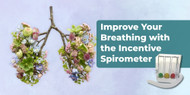
An incentive spirometer is a bit different. It's not just for testing; it's also a tool to help you exercise your lungs. It looks like a plastic tube with a mouthpiece and sometimes has small balls or a piston that moves up as you inhale.
The “incentive” part means it gives you a goal to work towards. You try to keep the little ball floating as high as you can while you take a deep breath. It’s a bit like a game to help you breathe deeply. The Triflo Incentive Spirometer is a great example.
This visual feedback encourages you to keep taking those important deep breaths, much like seeing your progress on a fitness tracker motivates you to walk more.
These devices are often given to patients after surgery, especially chest or abdominal surgeries, or if they have lung conditions. The National Library of Medicine notes that these devices help patients take deep breaths to open up small air sacs in their lungs that may have collapsed or become blocked with mucus.
Why Should You Use an Incentive Spirometer?
Your lungs are like complex, sponge-like organs. If they aren't used fully for a while, they can become weak. For example, after surgery, you might be in bed a lot and taking smaller breaths than usual. Or, if you have a lung illness, mucus can build up, making it harder to breathe.
Using an incentive spirometer helps to counteract this disuse and potential mucus buildup by:
- Expanding Your Lungs: Deep breathing stretches out the small air sacs in your lungs, helping them work better.
- Strengthening Your Breathing Muscles: Just like other muscles in your body, your breathing muscles need exercise to stay strong.
- Preventing Complications: Regularly using an incentive spirometer along with coughing exercises can help keep your lungs clear of mucus and fluid. This can prevent serious issues like pneumonia (a lung infection) and atelectasis (where part of the lung collapses).
Benefits of Using an Incentive Spirometer
Regular use of an incentive spirometer, like the Triflo model, offers several potential benefits:
- Improved lung expansion: It helps open up the air sacs in your lungs.
- Reduced risk of complications: Helps prevent lung-related issues like pneumonia, especially after surgery.
- Faster recovery: By keeping your lungs active, you may recover quicker after surgery.
Who Should Use an Incentive Spirometer?
Not everyone needs to use an incentive spirometer, but it can be beneficial for individuals:
- After major surgery: Specifically, surgeries that affect the chest or abdomen.
- With lung diseases: Conditions like COPD, cystic fibrosis, and pneumonia.
- Recovering from an illness: Respiratory infections can weaken the lungs.
- Bedridden for a prolonged period: Limited movement can lead to shallow breathing.
When to Use an Incentive Spirometer
- After Surgery: This is one of the most common times to use it. When you aren't moving around much after an operation, your breathing naturally becomes shallow, making it easier for complications to arise.
- Recovering from Lung Illnesses: Conditions like pneumonia or a flare-up of chronic lung disease can leave you feeling weak and congested. Using the spirometer can help you clear mucus and build up your lung strength again.
- Extended Bed Rest: If you are confined to bed for any reason, your breathing pattern can change, and your lungs might not get the exercise they need.
- Generally Strengthening Lungs: In some cases, people with stable lung conditions might be advised to use an incentive spirometer to maintain or gently improve their lung capacity as part of a supervised program.
Considerations When Using an Incentive Spirometer
While beneficial, there are some important things to keep in mind:
- Medical guidance: Always follow your doctor's instructions regarding how and when to use the spirometer.
- Avoid overexertion: Don't force your breathing too hard. If you feel dizzy or lightheaded, take a break.
- Pain after surgery: It might be uncomfortable at first, especially right after surgery. Discuss any pain with your healthcare provider.
- Maintain hygiene: Clean your mouthpiece regularly as per the manufacturer's instructions.
How to Use a 3-Ball Incentive Spirometer (Like the Triflo)
Let's focus on a very common type of incentive spirometer – the one with three little balls inside, like the Triflo Incentive Spirometer. This design makes the goal very visual and easy to understand. Here is a general step-by-step guide on how to use it:
- Find a Comfortable Position: It's best to sit up as straight as possible, perhaps in a chair or propped up in bed. Make sure you are relaxed.
- Hold the Spirometer Upright: Grip the handle with one hand. Keep the spirometer vertical so the balls can move freely.
- Place the Mouthpiece in Your Mouth: Seal your lips tightly around the mouthpiece. Try to keep your tongue out of the way.
- Breathe Out Normally: Take a moment to exhale completely before you begin.
- Inhale Slowly and Deeply: This is the key part! Suckle the mouthpiece and pull a slow, steady breath in through your mouth. Imagine you are taking a really long, deep breath to smell a flower or a pizza.
- Watch the Balls Rise: As you inhale, the force of your breath will cause one, two, or all three balls to rise in their tubes.
- Hold Your Breath (briefly): Once you can't inhale any more, try to hold your breath for about 3-5 seconds. This helps keep the small air sacs in your lungs open for a little longer.
- Exhale Slowly and Naturally: Take the mouthpiece out of your mouth and let your breath go naturally.
- Rest and Repeat: Take a few moments to rest and breathe normally. Then, repeat this process as many times as your doctor or nurse has recommended. They will often suggest doing 10-15 repetitions every hour you are awake.
Important Tip: Always follow the instructions provided by your doctor or physiotherapist. They can show you the correct technique and tell you how often you should use the device and what goals to set for yourself.
Where to Buy the Triflo Incentive Spirometer
If you or a loved one needs a reliable incentive spirometer, the Triflo is an excellent option to consider. It's a simple, effective, and widely-used choice to support lung health.
If you are wondering where to buy the Triflo Incentive Spirometer, you can find it right here at MedCart Australia! We offer a range of medical supplies to support your recovery. Explore our selection of Triflo Incentive Spirometers and browse other lung health products.
Breathing is important, and with the right tools and guidance, you can help support your lung health.
People Also Ask:
We know you might have more questions! Here are some commonly asked questions about spirometers:
Does a spirometer help your lungs?
Yes, an incentive spirometer is designed to help keep your lungs active and strong, especially when you are recovering. It helps to open up air sacs and clear mucus.
What is a normal number to reach on a spirometer?
There isn't one "normal" number for everyone. The target or goal for your incentive spirometer is personalized. Your healthcare provider will set a goal for you based on factors like your age, height, gender, and overall health condition. Don't worry about comparing your number with others. The focus is on your progress and consistently taking deep, full breaths.
How to do a spirometry test?
This is the test doctors use to check how well your lungs are working. You'll be asked to take a huge breath in and then blow it out as hard and as fast as you can into a special device. It's important to follow the technician's instructions carefully for accurate results.
What are the risks of using a spirometer?
Generally, using an incentive spirometer is very safe. Some people might feel a bit lightheaded if they breathe too quickly. If this happens, just take a break and breathe normally for a while. Always stop and check with your healthcare team if you feel any pain, severe dizziness, or unusual discomfort while using it.
How to use a spirometer correctly?
The most important things are to sit upright, make a tight seal with your lips, inhale slowly and deeply (not sharply), hold your breath briefly, and repeat the exercise as recommended by your health professional.
What is a normal reading on an incentive spirometer?
As mentioned above, the target reading is individual. Your healthcare provider will help you set a target based on your specific situation.
Do you inhale or exhale when using a spirometer?
For a diagnostic spirometry test, you primarily focus on exhaling as hard as you can. For an incentive spirometer like the Triflo, you focus on inhaling (breathing in) slowly and deeply to raise the balls.
What is the goal for an incentive spirometer?
The goal is to encourage regular deep breathing exercises to keep your lungs expanded, strong, and clear during your recovery journey.
In Conclusion
The Triflo Incentive Spirometer is a simple yet powerful tool that can be a valuable part of your recovery or lung health maintenance plan. By visualizing your breaths, it motivates you to practice the kind of deep, effective breathing that keeps your lungs healthy and helps prevent complications. Remember, always consult with your healthcare provider for personalized guidance on how to use it correctly and as part of your overall recovery plan. Your lungs will thank you!
References:
- The Royal Melbourne Hospital (2024). Spirometry. https://www.thermh.org.au/sites/default/files/Spirometry.pdf
- National Library of Medicine (2024). Incentive Spirometry. https://www.ncbi.nlm.nih.gov/books/NBK547722/
- Patient Education: Incentive Spirometry, The American Association for Respiratory Care (AARC).
- Incentive Spirometry: How to Use It, National Heart, Lung, and Blood Institute (NHLBI).
- Using an Incentive Spirometer, Healthdirect Australia.
- Triflo II Incentive Deep Breathing Exerciser Instructions for Use, The Teleflex Medical Corporation.
Note to Reader: This blog is for general information only and is not meant to replace professional medical advice. Always consult your doctor or another qualified health provider with any questions you may have about a medical condition or treatment.